


Children's Bedroom Design Ideas: Creating Sophisticated Spaces That Grow

Table of Contents:
Children's bedroom design ideas balance personality with longevity, incorporating age-appropriate themes, flexible furniture, and abundant storage. Successful kids' rooms blend sophisticated design with playful elements, prioritize function over trends, and use quality materials that withstand active use while creating spaces children won't outgrow quickly. |
Children's rooms serve multiple purposes: sleep, play, homework, creative projects, and quiet reading. Successfully designing these spaces requires balancing immediate needs with long-term flexibility.
The challenge lies in creating spaces feeling age-appropriate without dating quickly. A room decorated for a 5-year-old shouldn't require complete renovation by age 10.
The most successful children's bedroom design ideas focus on quality foundational pieces, timeless architectural elements, and layered personality through elements easily updated as children grow.
In mountain homes, children's rooms often serve multiple generations: visiting grandchildren, teenage family members, and solo adult guests. Design balancing immediate appeal with lasting sophistication creates spaces serving families for years rather than needing expensive updates.
Designing Children's Bedrooms for Longevity
The most successful children's room ideas prioritize longevity over fleeting trends.
Neutral architectural elements:
Walls, flooring, built-ins, and window treatments should remain timeless. Repainting walls costs little. Replacing custom millwork costs significantly.
Flexible furniture investments:
Quality beds, dressers, and desks that transition from toddler to teen justify higher initial investment. A well-made twin or full bed serves 10+ years. A themed toddler bed becomes obsolete in 3-4 years.
Layered personality:
Inject personality through easily changeable elements (bedding, artwork, accessories, rugs) rather than permanent fixtures.
"The most successful children's rooms we design grow gracefully from toddler through teen years. We invest in quality foundational pieces, keep architectural elements timeless, and layer personality through elements that can evolve as they grow," says ALI & SHEA Co-founder and Lead Architect Alison Agley. |
The 5-Year Test:
When making permanent decisions (paint colors, built-ins, flooring), ask: "Will this work when my child is 5 years older?" If not, make it temporary.
Timeless: Classic patterns, quality wood furniture, sophisticated color palettes, built-in storage, durable flooring
What dates quickly: Character-themed everything, trendy colors, toddler-only furniture, juvenile hardware
Age-Appropriate Children's Bedroom Theme Ideas

Children's bedroom theme ideas should inspire without overwhelming or quickly dating.
By Age Group
Toddlers (Ages 2-5):Nature-inspired themes (animals, trees, clouds, mountains). Forest theme using sage green walls, tree decal accent, woodland artwork, natural wood furniture. Playful but not chaotic.
Elementary (Ages 6-10):Adventure themes (maps, vintage travel posters), science/nature (constellations, botanical prints), sports as accent. "Explorer" room with world map accent wall, vintage travel trunks, brass telescope. Sophisticated enough to grow into teen years.
Tweens/Teens (Ages 11-17): Minimalist modern, vintage-inspired, artistic, outdoor-connected. Teen room with charcoal accent wall, floating desk, industrial shelving, curated artwork. Could be an elevated guest room with minor adjustments.
The Theme Spectrum
Heavy theme (avoid): Every element related to a single concept. Dates quickly, limits flexibility.
Subtle theme (aim for): Color palette and select accessories suggest themes without overwhelming. Ages gracefully, adapts easily.
Color Psychology and Essential Furniture

Color choices and furniture selection form the foundation of children's bedroom design, directly impacting mood, functionality, and longevity.
Understanding how colors affect behavior and which furniture pieces prove essential helps create spaces supporting rest, play, and growth.
Colors That Work
Soft blues and greens: Calming, promoting rest, work for all ages. Echo mountain landscape visible through windows.
Warm neutrals: Sophisticated base growing with child, providing backdrop for evolving accessories.
Muted pastels: Gentle and age-appropriate without reading juvenile. Dusty rose, soft sage, pale peach work beautifully.
Deeper accents (navy, forest green, burgundy): Work for older children and teens, create cozy atmosphere in larger rooms.
Colors to avoid on walls: Bright primaries (overstimulating for sleep), bright orange (increases energy levels), all-white (impractical with children).
The Two-Color Rule: Limit to two main colors plus white or neutral. Example: Soft blue walls + warm wood tones + white bedding = cohesive space supporting visual harmony.
Essential Furniture
The bed: Twin works ages 2-12+. Full is better for teens and guest room functionality. Solid wood construction with natural stains ages gracefully. Avoid toddler beds (outgrown quickly) and themed character beds (date rapidly).
Storage: 6-drawer dresser minimum, accessible bookshelves at child height, large baskets for toys. Plan storage for twice what a child currently owns—children accumulate quickly.
Desk (Ages 6+): Appropriately scaled for age, positioned near a window for natural light, task lighting essential for homework.
Seating: Reading chair or floor cushions create cozy spots separate from bed, encouraging independent quiet time.
DESIGNER TIP: In mountain homes with vaulted ceilings, anchor furniture along lower-ceilinged portions or use substantial pieces (canopy bed, tall bookshelf) that fill vertical space appropriately. |
Storage Solutions and Flexible Layouts
Children's bedrooms require significantly more storage than adult spaces while maintaining flexibility to adapt as needs change.
Strategic storage planning and thoughtful layout design prevent clutter while supporting different activity zones throughout childhood.
Effective Storage Strategies

Built-in solutions:
Window seats with lift-up storage
Custom closet systems with lower rods for accessibility
Wall-to-wall bookshelves (lower shelves accessible)
Under-bed drawers
Flexible storage:
Large woven baskets (mountain aesthetic-appropriate)
Open cubbies for younger children
Rolling carts for art supplies, building materials
Storage by age: Toddlers need low, open storage. Elementary-aged students need a combination of open/closed with desk organization. Teens prefer closed storage with technology charging stations.
Layout Zoning
Sleep zone: Bed away from door, near window (not directly under for climate control)
Play/lounge zone: Open floor space transitions from play area (younger) to social area (teens)
Study zone: Desk near natural light, away from bed to separate work and rest
Dress zone: Dresser, closet, mirror, sufficient lighting
Mountain home design layouts: Maximize views without sacrificing function. Use lower-ceilinged areas for cozy sleeping nooks, higher areas for study or play.
Bunk Room Design for Mountain Homes

Bunk rooms are a great option for mountain homes, accommodating multiple children or guests efficiently while maximizing space.
Why Bunk Rooms Work
Mountain homes frequently host extended family or groups. Bunk rooms sleep 4-8+ people in space accommodating one bed, maximizing rental property capacity without sacrificing common areas.
Built-In vs. Freestanding
Built-in advantages: Custom-fitted, maximizes space, incorporates storage/lighting/privacy features. Floor-to-ceiling built-ins with individual reading lights, USB ports, privacy curtains, under-bunk storage.
Freestanding advantages: Flexibility, lower cost, room converts to other uses if needed.
Essential Bunk Room Features
Feature Category | Requirements | Why It Matters |
Individual Lighting | Personal reading light per bunk, adjustable positioning | Allows independent bedtimes without disturbing others |
Personal Storage | Small shelf or cubby per bunk, dedicated outlet/USB port | Gives each occupant their own space and charging capability |
Privacy Options | Optional curtains on rods or tracks | Creates sense of personal space in shared room |
Dresser/Cubbies | Dedicated storage per occupant (minimum 3 drawers each) | Prevents territorial disputes, organizes belongings |
Under-Bunk Storage | Pull-out drawers or rolling bins | Maximizes space efficiency in compact rooms |
Hooks and Hangers | Wall hooks for robes, jackets, towels | Keeps frequently used items accessible |
Safety Railings | Sturdy railings on all upper bunks (minimum 5" height) | Prevents falls during sleep |
Secure Ladders | Fixed or permanently attached ladder | Ensures safe access to upper bunks |
Adequate Headroom | 48" minimum between mattress and ceiling/upper bunk | Prevents bumped heads when sitting up |
Mountain Aesthetic
Use natural wood for built-ins (stained, not painted). Incorporate cozy textiles (wool blankets, cable knit throws). Consider ship-lap or board-and-batten walls for cottage feel without sacrificing sophistication.
Layout strategies: L-configuration (cozy corners), parallel configuration (open center), alcove bunks (maximize awkward spaces).
DESIGNER TIP: Position bunk rooms in areas with standard 8-9' ceilings rather than vaulted spaces. The cozy scale feels safer and more comfortable for children than towering vaulted ceilings. |
Mountain Home Considerations

Children's bedroom design in mountain properties requires addressing unique environmental factors while maintaining the thoughtful aesthetic mountain homes demand.
Natural materials align perfectly:Mountain home aesthetic emphasizes natural wood, stone, organic textiles as this creates timeless children's rooms. Exposed wood beams, natural wood furniture, linen bedding, and wool rugs all work beautifully.
Climate considerations:Heating systems and insulation matter more at altitude. Ensure adequate heating vents, consider radiant floor heating in mountain climates, use thermal curtains or cellular shades for energy efficiency.
Built-in storage suits ski equipment:Mudroom-style built-ins in closets accommodate ski boots, helmets, snow gear. Heated drying racks or dedicated gear storage prevents wet equipment issues.
Lighting requires special attention:Install blackout shades or lined curtains; early summer sunrise and bright snow reflection disrupt sleep. Layer three types: dimmable overhead lighting, task lighting for desks, and ambient lighting for bedtime routines.
Durable materials withstand active mountain lifestyle:Choose stain-resistant fabrics, sealed wood finishes, washable rugs. Mountain homes see heavy use from outdoor activities, with dirt, moisture, ski equipment traffic.
Scale appropriate to architecture: Mountain homes often feature dramatic ceiling heights and large-scale architecture. Children's furniture should be appropriately scaled but not dwarfed. Standard 8-foot furniture works; avoid miniature pieces looking lost in grand spaces.
Common Children's Bedroom Design Mistakes
Avoid these frequent missteps that compromise longevity, functionality, or create unnecessary expense.
Mistake | Why It Fails | The Solution |
Over-theming | Dates quickly, limits flexibility | Use theme as inspiration, not mandate |
All bright colors | Overstimulating, prevents rest | Soft, muted tones with bright accents |
Inadequate storage | Clutter accumulates, room chaotic | Plan storage for 2x what child currently has |
Furniture too small | Outgrown quickly, constant replacement | Size up when possible (twin vs. toddler bed) |
Ignoring function | Pretty but impractical | Prioritize durability, washability, accessibility |
Matching everything | Looks staged, no personality | Mix coordinating pieces, allow individuality |
Permanent themed elements | Expensive to update | Keep permanent elements neutral, layer personality |
Creating Timeless Children's Spaces with ALI & SHEA DESIGN
At ALI & SHEA DESIGN, we understand children's bedrooms require special balance between elevated design and age-appropriate function.
Our full-service design approach includes:
Age-appropriate design strategies that grow from nursery through teen years
Sourcing durable, quality furniture scaled appropriately for children and mountain home proportions
Custom storage solutions maximizing function without sacrificing style
Color palette development considering psychology and longevity
Layout planning accommodating multiple activities
Material selection prioritizing durability and easy maintenance while maintaining luxury aesthetic
Whether designing nurseries, playful elementary-age bedrooms, sophisticated teen spaces, or efficient bunk rooms in Aspen and Snowmass properties, we create children's bedrooms that serve as true sanctuaries reflecting personality while honoring your home's design integrity.
Contact ALI & SHEA DESIGN to discuss creating functional, beautiful children's spaces that grow with your family. |
Frequently Asked Questions
What are good children's bedroom design ideas?
Focus on longevity using neutral foundational elements and layering personality through changeable accessories. Include abundant storage (plan for 2x current needs), age-appropriate furniture, and flexible layouts.
Balance playfulness with sophistication, incorporate durable materials, and create spaces that evolve without requiring complete renovation every few years.
How do I choose a children's bedroom theme?
Select subtle themes executed with restraint. Nature-inspired, adventure, literary, or artistic themes age better than specific cartoon characters. Use theme as color palette and accent inspiration, not rigid mandate.
Test: Can the theme adapt as the child grows? Forest theme transitions toddler to teen. Character themes become embarrassing by age 8.
What colors are best for kids' bedrooms?
Soft blues and greens promote calm. Warm neutrals provide a sophisticated backdrop. Muted pastels work without being juvenile. Avoid bright primary colors on walls (overstimulating). Use 2 main colors plus neutrals maximum.
How can I design a children's bedroom that grows with them?
Invest in quality furniture sized appropriately (twin or full bed, not toddler). Keep permanent elements neutral. Layer personality through easily changed accessories. Plan flexible layouts with zones that adapt (play area becomes lounge area for teens).
What furniture is essential for a child's bedroom?
Quality bed (twin or full), 6-drawer dresser, accessible bookshelf, desk for school-age children, abundant storage (bins, baskets, closet organization). Prioritize solid wood construction. Include task lighting and comfortable seating. Scale appropriately for mountain home ceiling heights.
How do you design a bunk room in a mountain home?
Prioritize built-in bunks with individual reading lights, USB charging, privacy curtains, and under-bunk storage. Use natural wood finishes matching the home's aesthetic. Ensure 48" minimum headroom between bunks and sturdy railings.
Position in areas with 8-9' ceilings rather than vaulted spaces. Include adequate storage for all occupants. Mountain-appropriate materials elevate bunk rooms from institutional to sophisticated.


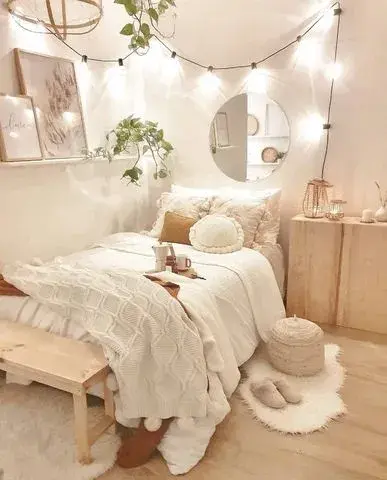


the focus on longevity in children's room design is a practical and often overlooked point. using quality foundational pieces and timeless architectural details makes perfect sense, as it allows for easier updates as a child's interests change. the suggestion to prioritize function and durable materials over fleeting trends is sound advice for any family home, not just luxury spaces. Lyrics Into Song
I usually play during short breaks, and eggy car online loads quickly without any extra setup. Easy to jump into for a few minutes.