


Modern Craftsman Interior Design: Where Timeless Architecture Meets Organic Style

Table of Contents:
Modern craftsman interior design honors original architectural details (exposed beams, built-ins, natural wood) while incorporating organic materials, natural textures, and contemporary comfort. Successful craftsman style interiors balance warm wood tones with neutral palettes, emphasize handcrafted quality, and integrate natural elements creating grounded, livable spaces that respect history. |
Craftsman-style homes feature architectural details that define their character: built-in bookshelves, box beam ceilings, natural wood trim, and handcrafted joinery that modern homes often don’t replicate.
Originally built 1905-1930, these homes created a design vocabulary emphasizing natural materials and craftsmanship over ornamentation.
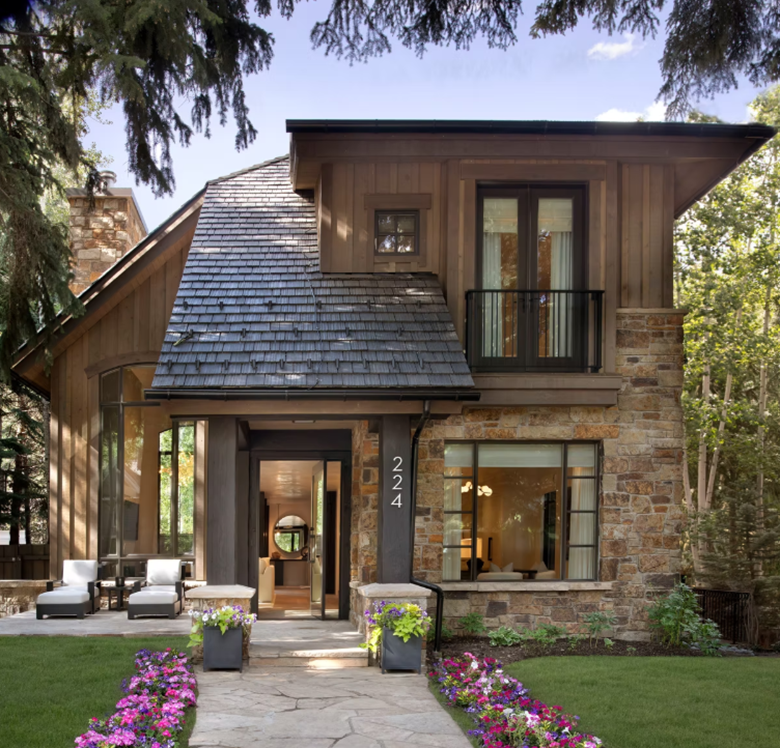
Modern craftsman interior design applies these same principles, whether updating an original craftsman bungalow or bringing a craftsman aesthetic to contemporary mountain homes where exposed wood, stone, and handcrafted elements create similar warmth.
Understanding Craftsman Style Interior Design

Craftsman style interior design celebrates honest use of materials, handcrafted quality, and connection to nature. These principles translate beyond period homes to any interior emphasizing natural materials and architectural craftsmanship.
Defining Characteristics
Architectural elements:Box beam or coffered ceilings, exposed rafters, built-in bookcases flanking fireplaces, window seats with storage, dining room buffets, substantial trim and door casings, interior columns, prominent stone or brick fireplaces.
Materials:Natural wood like oak, fir, and maple in floors, trim, built-ins, and ceilings. Stone fireplaces using river rock or brick. Handcrafted tile in kitchens and bathrooms. Art glass windows. Hammered metal hardware.
Design philosophy:Quality craftsmanship over mass production, honest use of materials showing natural grain and texture, beauty integrated with function, connection between interior and nature, simplicity and horizontal lines emphasizing connection to earth.
Why craftsman endures:These principles align with contemporary values: sustainability, quality over quantity, natural materials, and organic living. A well-preserved 1920s craftsman house interior often requires less updating than homes from later eras.
Color Palettes and Materials for Craftsman Homes
Color choices in craftsman interiors can either enhance or fight against natural wood's warmth. The right palette complements rather than competes with architectural details and wood tones.
Modern Craftsman Colors
Warm whites and soft neutrals: Instead of stark white (harsh contrast against warm wood), use warm whites, creamy off-whites, or soft greiges. Benjamin Moore White Dove, Sherwin-Williams Alabaster, or Farrow & Ball Pointing lighten spaces while harmonizing with natural wood.
Earth-tone accents:Sage green, terracotta, warm gray, soft blue-green, golden mustard as accent colors. These organic colors connect to craftsman philosophy while feeling contemporary.
Embracing the wood: Rather than painting all wood white (removes character), celebrate warm wood tones. Dark-stained trim, natural oak, rich walnut work when balanced with lighter walls and textiles.
Mountain home palette: Colors echoing the landscape like forest greens, stone grays, warm browns, cream, create seamless visual connection between interior and environment.
Organic Materials
Natural textiles:Linen, cotton, wool, jute, leather throughout. Upholstered furniture in linen, window treatments in cotton, rugs in wool or jute. Natural fibers age beautifully and feel authentic to craftsman values.
Wood and stone: Extend beyond architecture through furniture (live edge tables, natural frames), accessories (wooden bowls, pottery), decorative stone objects.
Handcrafted elements: Hand-thrown ceramics, woven baskets, artisan textiles continue craftsman's handmade tradition. Display pottery on built-in shelves, use ceramic serving pieces, incorporate handcrafted accessories.
Plants and greenery: Indoor plants essential to organic modern approach. Large floor plants, smaller potted plants on shelves, fresh flowers on tables soften wood's hardness while connecting interior to nature outside.
DESIGNER TIP: When working with dark wood trim throughout, lighten walls to warm white, soft cream, or subtle warm beige rather than painting the trim. The contrast creates breathing room while preserving character. |
Craftsman Living Room and Bedroom Design

Modern craftsman house interior living room with built-in bookcase and ladder and natural wood-trimmed windows organic textiles; craftsman style homes.
Living rooms and bedrooms demonstrate how craftsman principles adapt to different functions: showcasing craftsmanship in gathering spaces, creating warmth in private retreats.
Living Room Essentials
Fireplace as focal point: Original craftsman fireplaces feature brick, river rock, or tile surrounds. Highlight as the room's anchor. Style mantels with organic elements—handcrafted pottery, natural branches, simple greenery.
Built-in bookcases: Keep functional: display books, pottery, natural objects rather than purely decorative items. Mix open shelving with closed cabinet storage below.
Furniture approach: Choose appropriately scaled furniture; substantial but not oversized. Lower-profile sofas work better than high-back contemporary styles. Mix vintage mission-style pieces with contemporary upholstered furniture in natural fabrics like linen or leather.
Lighting layers:Add table lamps, floor lamps, and sconces beyond single ceiling fixtures. Choose fixtures with craftsman lines like geometric shades, metal and glass, warm brass or bronze finishes.
Organic modern touches:Live-edge coffee tables, plants in corners, natural textures throughout. Balance craftsman's geometric lines with organic, curved forms.
Bedroom Design
Built-in features: Preserve window seats, built-in dressers, or closets. These provide character and function.
Furniture and textiles:Mission-style beds or simple wood frames. Balance wood with soft textiles like linen bedding, wool blankets, textured throws. Warm, restful tones (sage green, soft blue, warm gray, cream) promote sleep.
Mountain bedroom context: Position beds to appreciate landscape views. Natural textiles echo outdoor environment. Blackout window treatments essential for mountain light while celebrating views during day.
Craftsman Kitchen and Dining Rooms

Updating craftsman kitchens and dining rooms requires balancing period authenticity with modern function - preserving handcrafted details while incorporating contemporary appliances and layouts.
Kitchen Strategies
Cabinetry:Preserve original built-ins when possible. New kitchen cabinets should be Shaker-style (simple, functional, quality craftsmanship) in wood stains or warm painted finishes (sage, warm gray, cream) rather than stark white.
Materials: Soapstone, butcher block, honed granite, or concrete countertops. Handcrafted tile backsplash (subway tile, hexagons, geometric patterns). Bronze, brass, or black metal hardware in simple forms.
Open shelving: Craftsman philosophy embraced visible storage. Open shelving displaying pottery and everyday dishes feels authentic.
Dining Room Elements
Built-in buffets: Signature craftsman element. Preserve and use for serving storage and display of pottery and handcrafted items.
Lighting: Craftsman-style chandeliers with geometric forms and metal-glass combinations, or modern organic pendants in woven materials sharing craftsman's handcrafted quality.
Mountain consideration: Craftsman dining rooms work beautifully in mountain properties—cozy scale for gatherings, warm wood creating inviting atmosphere, nature connection through windows.
What to Preserve vs. What to Update

Craftsman homes contain both irreplaceable handcrafted details and systems that no longer serve modern life. The key is knowing which elements define character and which simply define age.
Always Preserve
Original woodwork (trim, doors, built-ins, wainscoting)
Box beam or coffered ceilings
Hardwood floors (refinish, don't replace)
Built-in cabinetry (bookcases, buffets, window seats)
Original tile work (fireplace surrounds, bathroom accents)
Windows (restore rather than replace when possible)
Original craftsman hardware
Update Thoughtfully
Kitchens and bathrooms:Functional updates are necessary but maintain a craftsman aesthetic through material choices (natural stone, handcrafted tile, wood-tone cabinets), Shaker cabinet styles, and simple fixtures.
Integrating Smart Home Technology:Modern lighting and climate control, audio systems, security systems, and modern kitchen technology.
DESIGNER TIP: Hide smart home hubs, routers, and charging stations inside built-in cabinetry with ventilated doors. Dedicate one cabinet or drawer to technology infrastructure, keeping it accessible but invisible. |
Modern Craftsman in Mountain Homes

Craftsman style naturally complements mountain environments through shared design values.
Why it works:Natural material emphasis (wood and stone), connection to landscape through generous windows, appropriate 1-1.5 story scale nestling into mountain sites, cozy refuge feeling, durable materials withstanding mountain climate.
Craftsman meets mountain modern:Combine craftsman's structural integrity with mountain modern's emphasis on views and natural light. Expand window sizes while maintaining craftsman proportions.
Open floor plans slightly while preserving woodwork defining zones. Built-in storage perfect for ski equipment and outdoor gear.
Common Craftsman Interior Design Mistakes
Mistake | Why It Fails | The Solution |
Painting all woodwork white | Removes character, fights architecture | Keep trim natural, lighten walls only |
Ultra-contemporary furniture | Clashes with architectural style | Choose pieces with natural materials, clean lines |
Removing built-ins | Destroys irreplaceable character | Preserve and integrate into design |
All dark everything | Feels heavy, oppressive | Balance dark wood with lighter walls, textiles |
Ignoring original intent | Fights the home's nature | Study craftsman principles, honor philosophy |
Synthetic materials throughout | Contradicts natural emphasis | Choose natural textiles, wood, stone, ceramics |
Insufficient lighting | Single fixtures inadequate | Layer multiple light sources |
Creating Authentic Craftsman Interiors with ALI & SHEA DESIGN
At ALI & SHEA DESIGN, we understand craftsman homes require special sensitivity balancing historical integrity with contemporary living.
Whether working with authentic 1920s craftsman homes or designing mountain properties inspired by craftsman principles, we create interiors honoring architectural character while incorporating organic, natural elements.
Our approach includes:
Preserving and restoring original architectural details
Selecting materials and finishes appropriate to craftsman aesthetic
Integrating organic, natural elements throughout
Updating kitchens and bathrooms thoughtfully
Sourcing handcrafted, quality furnishings mixing vintage and contemporary
Creating color palettes balancing warmth with contemporary appeal
Designing spaces that feel both historically grounded and completely livable
Whether restoring a craftsman bungalow in Aspen or designing new construction inspired by craftsman principles in Snowmass, we create interiors celebrating handcrafted quality, natural materials, and timeless design that honors architectural harmony.
Contact ALI & SHEA DESIGN to discuss honoring your craftsman home's character while creating spaces for modern living. |
Frequently Asked Questions
What is craftsman style interior design?
Craftsman style interior design emphasizes natural materials, handcrafted quality, built-in cabinetry, exposed structural elements, and warm wood throughout.
Originating 1905-1930, craftsman interiors celebrate honest use of materials, integrate function with beauty, and connect interior spaces to nature.
Key features include box beam ceilings, built-in bookcases, prominent fireplaces, wide trim, and warm earth-tone palettes.
How do you modernize a craftsman-style home interior?
Modernize by preserving original architectural details (woodwork, built-ins, ceilings) while updating functional spaces.
Lighten wall colors to warm whites while keeping trim natural
Update kitchens and bathrooms with craftsman-appropriate materials (soapstone, handcrafted tile, Shaker cabinets)
Integrate contemporary furniture with natural materials. Add lighting layers. Incorporate organic textiles (linen, wool, jute)
Balance historic character with contemporary comfort.
What colors work best in craftsman style living rooms?
Warm whites, soft creams, and earth tones work best
Sage green, terracotta, warm gray, golden mustard, and soft blue-green complement natural wood
Avoid stark white (harsh contrast) and cool grays (fight warm wood)
Embrace the wood rather than painting it.
Mountain homes benefit from colors echoing the landscape with forest green, warm brown, cream.
Can you mix modern furniture in a 1920 Craftsman house interior?
Yes, when pieces share craftsman values: clean lines, quality construction, natural materials.
Choose contemporary pieces in wood, leather, and linen rather than synthetic materials. Balance vintage mission-style pieces with modern upholstered furniture. Avoid pieces aggressively fighting the architecture.
Organic modern furniture complements the craftsman aesthetic through shared emphasis on natural materials.
What is organic modern craftsman style?
Organic modern craftsman blends craftsman architecture's natural materials and handcrafted quality with contemporary organic design's emphasis on natural textures, neutral palettes, and nature connection.
This approach honors original craftsman details while incorporating modern comfort, natural textiles, handcrafted ceramics, live edge wood, abundant greenery, and organic color palettes creating sophisticated, grounded, livable spaces.
How do craftsman interiors work in mountain homes?
Craftsman naturally complements mountain environments through shared emphasis on natural materials, landscape connection, cozy scale, and durable construction.
Craftsman bungalows' 1-1.5 story form nestles into mountain sites appropriately. Built-in storage suits mountain living. Warm materials and intimate scale create cozy refuge. Combining craftsman integrity with mountain modern's view emphasis creates sophisticated alpine homes.


Converting a personal photo into a line drawing is a clever way to create a custom activity for kids or a unique gift. The process is straightforward: upload an image and receive a printable black-and-white version without needing an account. This works well for family portraits or favorite pet pictures. The photo-to-coloring conversion is a useful tool to have bookmarked for spontaneous creative projects.
J’ai trouvé cet article intéressant, car tout est expliqué avec des mots simples. Le Online Click Test permet de vérifier rapidement sa vitesse de clic. J’ai aimé le format court, car il est facile à terminer. Les utilisateurs peuvent refaire le test et comparer les résultats sans processus compliqué.
Features like built-in bookshelves and exposed wood give these homes a warmth that can be difficult to reproduce in newer construction. I also appreciate how the style can be adapted to modern spaces without losing its original character. Slope Rider gives me a similar appreciation for thoughtful design, where simple elements can create an engaging experience.
I usually play during short breaks, and eggy car online loads quickly without any extra setup. Easy to jump into for a few minutes
Really enjoyed learning about modern craftsman design! It's amazing how they blend traditional styles with a fresh touch. I think Hear me out could inspire some cool cake designs based on these themes too!